Flora of Rivers
Plants have colonized
many habitat types, including systems dominated by water such as rivers, lakes,
and wetlands. Plants living in wetlands must be able to survive both inundation
and drying as water levels may fluctuate greatly seasonally. Other plants are
adapted to live predominantely beneath the water's surface (submergent), others
float on the surface (floating), while others emerge from water with stiff
stems holding the plants leaves above the water (emergent).
Streams and rivers are part
of the freshwater biome, which also includes lakes and ponds. They usually
begin at a source in higher and cooler climates than their mouths, which is
where they empty into larger bodies of water, traditionally other water
channels or the ocean. Plants are an important part of freshwater ecosystems,
adding oxygen to water, detoxifying it and serving as a source of food for
animals dwelling there.
This are some of the plants we can find next to rivers in general: Eastern Cottonwood, Silver Maple, Fox Sedge, Praire Cord Grass, Cattails, Duckweed and Blue Vervain.


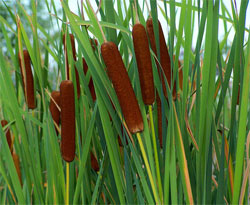


Rivers and its Flora
This are some Rivers and some examples of the plants that grow there.
The Yangtze River
The Yangtze River is the
longest river in Asia and the third longest river in the world.
Flora
in the area includes the Chinese willow tree, bamboo plants, lotus blossom and
dove tree. The dove tree grows in the Yangtze River basin -- it flowers when it
is 6 to 8 years old and begins to bear fruit at 10 to 15 years. The tree is
named for the flowers that resemble a flock of doves nesting in its branches.
The "mother chrysanthemum" grows in dry areas along the riverbank,
and is mostly gold or yellow in color. The petals are thought to have medicinal
properties and are brewed in a tea or used raw.
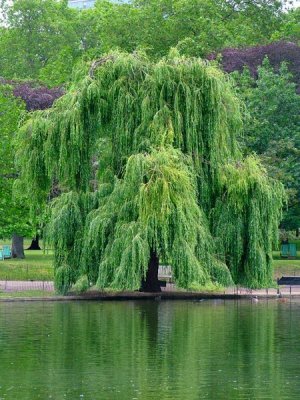


Niger River and Congo River
The rainforests of Central Africa,
especially from Cameroon to Gabon, have long been recognized as centres of
endemism – epicentres of species found nowhere else in the world. Of these
centres, the lower Guinea area (the coast from the mouth of Niger River to the
mouth of the Congo River) is regarded as the richest.
Mountain areas and the forests that receive a lot of rainfall on the Atlantic side include many endemic plants like Caesalpiniaceae trees, Okoumé trees (Burseraceae), found in central Gabon and Equatorial Guinea, and to a limited extent in southern Congo-Brazzaville and in Cameroon.
Mountain areas and the forests that receive a lot of rainfall on the Atlantic side include many endemic plants like Caesalpiniaceae trees, Okoumé trees (Burseraceae), found in central Gabon and Equatorial Guinea, and to a limited extent in southern Congo-Brazzaville and in Cameroon.

The Nashua River and its tribut aries
Along
the river and its tributaries, there is a healthy diversity of riparian trees,
shrubs and herbaceous plants. Many of the tree species found along the river
can also be found in lowland forest throughout central Massachusetts. The
towering white pine, the swamp white oak, Black
willow, Yellow and white birch
can be seen in sunny areas, and both with bark covered with large lenticels. Alnus
serrulata or
common alder is a shrub with birch-like catkins which bloom in mid-to late
March. Vines such as poison ivy and wild grape can be seen on the shoreline in
some locations.


The River Nile
Some plants are:
Papyrus – This species of aquatic flowering
plant belongs to the sedge family.

Plume thistle – Found all over Egypt, but especially
around the Nile, the plume thistle is a tall biennial plant that consists of a
rosette of leaves, a taproot and a flowering stem.

Chamomile – This is a daisy-like plant from the
family Asteraceae.

Blue Egyptian water lily – The ‘blue lotus’ is
one of the most iconic plants on the Nile.

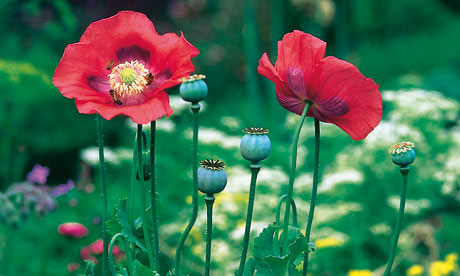
Opium poppy – As the name suggests this is the
species of poppy from which opium is derived – the source of narcotics like
morphine.
Flora of the Ebro Delta
This are some of the plants grown next to the Ebro Delta: Ononis natrix, Typha Sppale Brown, Thymelaea Hirsuta, Salix Alba, Pancratium Maritimum, Pancratium Maritimum, Ononis Natrix, Ononis Natrix, Limoniastrum Monopetalum, Limoniastrum Monopetalum, Euphorbia Paralias, Erianthus Ravennae Decorativo, Carex sp, Campanillas (Convolvulus sepium) and Ammophila Arenaria.


%20M69%20Island%20Sapcote%20SP%204633%209377%20(taken%2023.7.2008).JPG)


+Link.jpg)
Personal opinin: I've learned that they are so much different plants on the rivers, and it depens on where they are, the weather and other factors. But all this plants have something in common, this all plants need humidity, and they got it from the river.
Near the Yangtze River are very beautyful plants and flowers, they are many colorful plants in this asian river.
Next to the river Nile, and in the water, there are lots of flowers, and I think there are very pretty.
Near from us ther's the river Ebro, and in the Delta of this river are some plants, and some yellow flowers, but they are a little bit dry, because some of them grow on the sand of the beach, where the river ends. But along the river there are plants what need more humity.
Bibliografia:
https://www.nps.gov/miss/learn/nature/plants-wetlands.htm We can find information from plants next to rivers in general
http://traveltips.usatoday.com/plants-animals-near-yangtze-river-54931.html Information about plants
near the Yangtze River
http://wwf.panda.org/what_we_do/where_we_work/congo_basin_forests/the_area/wildlife/plants/ Flora of the rainforest of central africa
http://www.nashuariverwatershed.org/our-watershed/our-flora-and-fauna.html Flora of the nashuari river
http://www.howitworksdaily.com/plants-of-the-nile/ Flora of the Nile River
http://homeguides.sfgate.com/river-stream-biome-plants-96307.html Information of flora on rivers in general
http://www.ebre.com/es/parque-natural-del-delta-del-ebro/vegetacio-del-delta-de-l-ebre/ Flora of the Ebro Delta
Activitat creativa:

Cap comentari:
Publica un comentari a l'entrada